A READING LIST FOR THE CURIOUSA LITTLE SPACE FOR YOUR NEXT CHAPTER ↗
Future Books
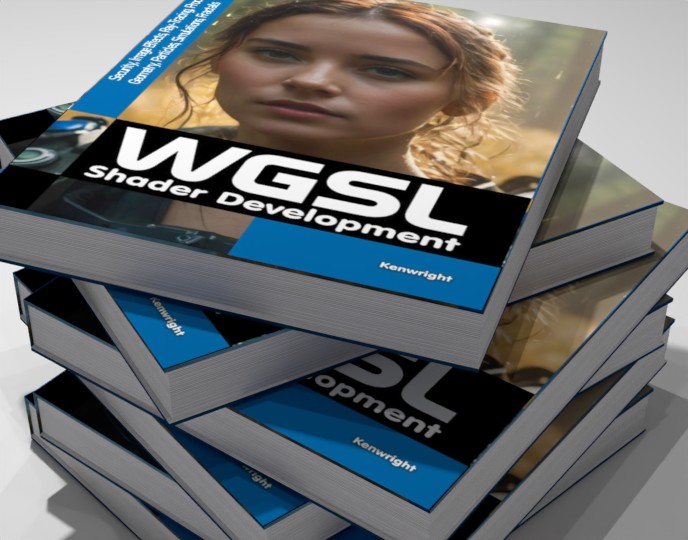
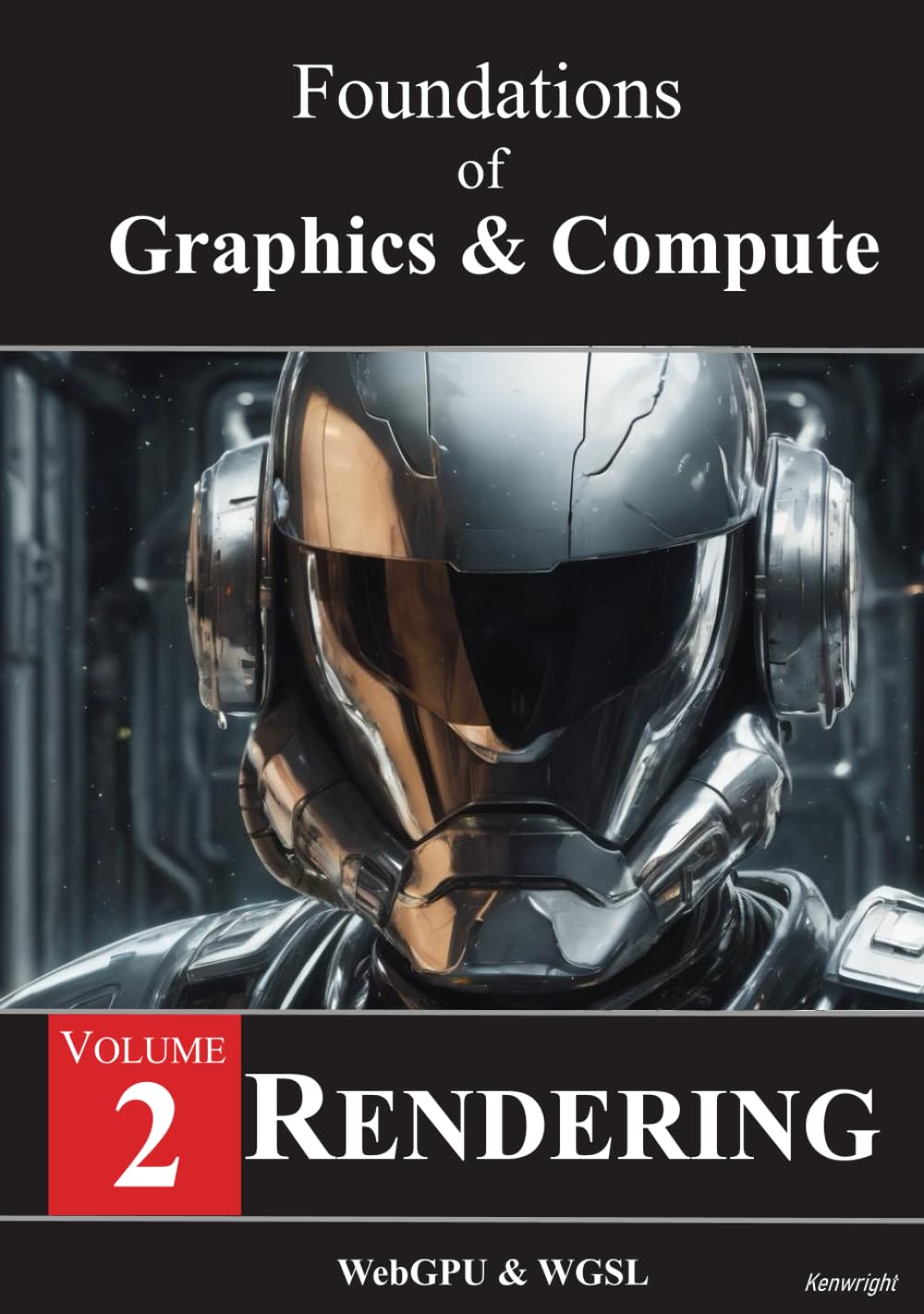
Cover of WebGPU Shader Language Development: Vertex, Fragment, Compute Shaders for Programmers FROM THE BOOK CATALOGUE

Books

WebGPU Shader Language Development: Vertex, Fragment, Compute Shaders for Programmers

By Kenwright

WebGPU Shader Language Development: Vertex, Fragment, Compute Shaders for Programmers provides a fresh and engaging entry point into one of the most dynamic areas of modern tech.

WHAT THE PUBLISHER HIGHLIGHTS

  • Master practical coding skills.
  • Explore real-world projects.
  • Accelerate your learning curve.

Opens www.amazon.com. Check the retailer for current prices, formats, delivery, and availability.

Catalogue reference: a4ae3c3f23004454

INSIDE THE BOOK

About this book

WebGPU Shader Language Development: Vertex, Fragment, Compute Shaders for Programmers offers a comprehensive and in-depth guide that walks you through the concepts, applications, and best practices. With a strong focus on hands-on examples and real-world relevance, it empowers you to not just learn the theory but to apply it in meaningful ways across graphics, compute, and more.

From the publisher’s description

  • Master practical coding skills.
  • Explore real-world projects.
  • Accelerate your learning curve.
  • Demystify advanced technical topics.

Explore the topics

A CLOSER LOOK

Additional images

Additional image 1 for WebGPU Shader Language Development: Vertex, Fragment, Compute Shaders for ProgrammersAdditional image 2 for WebGPU Shader Language Development: Vertex, Fragment, Compute Shaders for ProgrammersAdditional image 3 for WebGPU Shader Language Development: Vertex, Fragment, Compute Shaders for Programmers

ANOTHER PERSPECTIVE

Readers, in their own words

Explore reviews
Reader review5

This is the one to get

Outstanding. I kept finding reasons to come back to it.

I picked this up after getting stuck on a project and it turned out to be exactly the right book at the right time. A few of the examples could be more realistic, but the underlying points come across clearly. The chapters on javascript are the strongest — the examples are stripped down but complete, and I could follow along without constant guessing. I have already recommended it to two colleagues and will recommend it to more.

Peter MartinezResearch scientist · Bangalore, IN
WebGPU Shader Language Development: Vertex, Fragment, Compute Shaders for Programmers
Reader review3

A book of two halves

Good in places. I would borrow it before buying if you can.

I had been on the fence about this one for a while, and I should have bought it sooner. The early chapters move quickly through material I already knew, but the later sections were genuinely new to me. The chapters on javascript are the strongest — the examples are stripped down but complete, and I could follow along without constant guessing. Useful as a reference, less so as a straight read from cover to cover.

Harry ThompsonFull-stack developer · Toronto, ON
WebGPU Shader Language Development: Vertex, Fragment, Compute Shaders for Programmers
Reader review5

Exactly what I was looking for

I have read a lot of books on this subject and this is the clearest.

I read this over a couple of weekends alongside a small side project, which turned out to be the ideal way to approach it. The chapters on javascript are the strongest — the examples are stripped down but complete, and I could follow along without constant guessing. The code samples assume a particular environment, which took a bit of fiddling to get running properly. The early chapters move quickly through material I already knew, but the later sections were genuinely new to me. If you have the prerequisites, this is an easy recommendation. I will be keeping it on my desk rather than the shelf.

Nadia YoungCompiler engineer · San Francisco, CA
WebGPU Shader Language Development: Vertex, Fragment, Compute Shaders for Programmers

BEYOND THE BOOKSHELF

News & ideas

More to explore

THE BOOKS

Your next input

View all books

Understand today. Build what’s next.

Check the publication date and ask which ideas are foundations and which are forecasts.

Explore the catalogue